
Friday Fun
Theodore Roosevelt and the Liberty Bell Tour

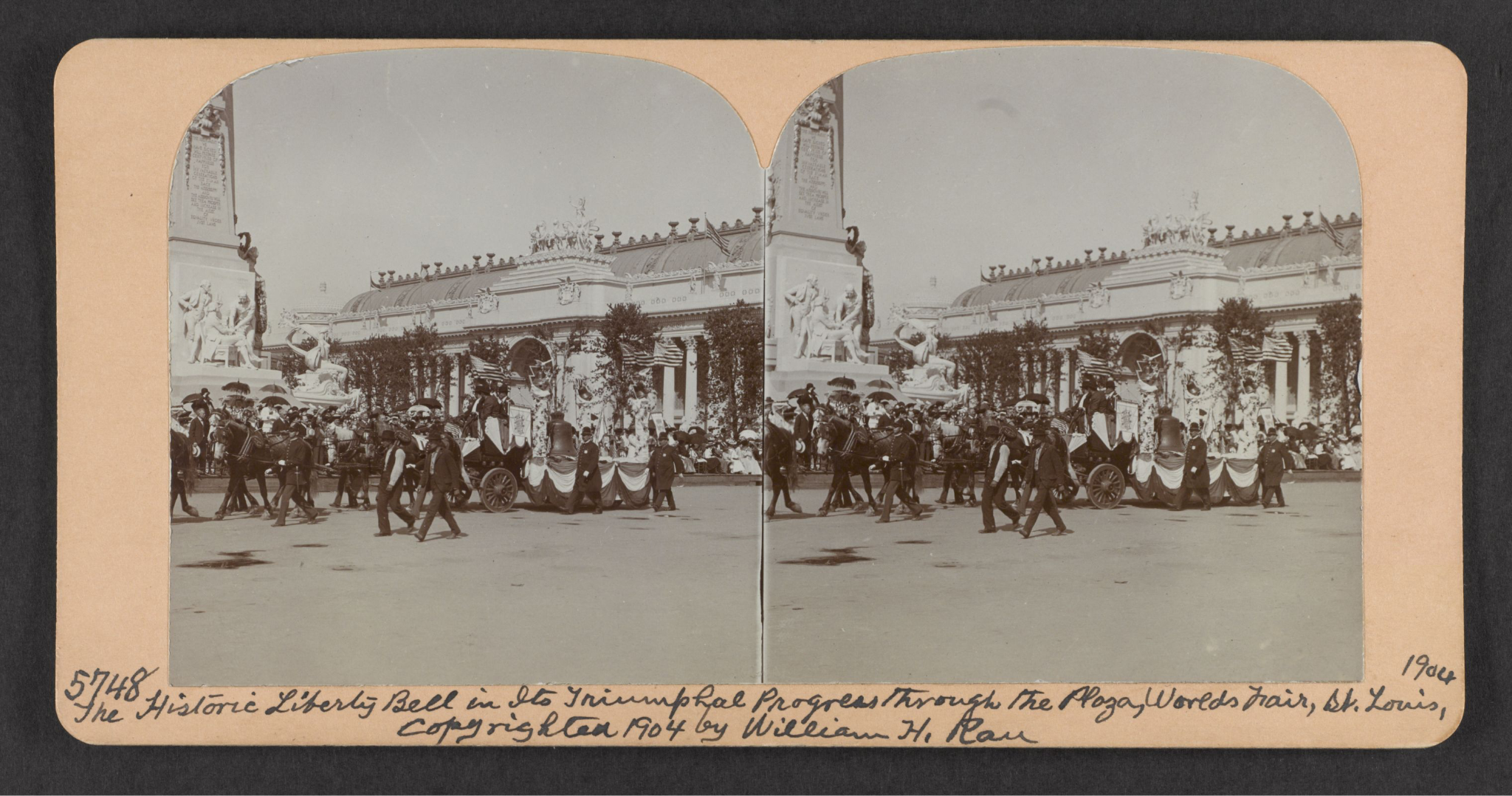
For our last A250-themed post, we’re looking at the Liberty Bell Tour of 1915. Today, of course, the Liberty Bell is located near Independence Hall in Philadelphia, Pennsylvania, but during the nineteenth and twentieth centuries, it took several tours across the country, including to the St. Louis World’s Fair in 1904 when Theodore Roosevelt was president.
The longest—and last—trip the bell took across the country was in 1915. After the sinking of the Lusitania in May 1915, the push to bring the Liberty Bell to the Panama-Pacific International Exposition in San Francisco, California, got the support it needed from political leaders like President Woodrow Wilson and former president Roosevelt.
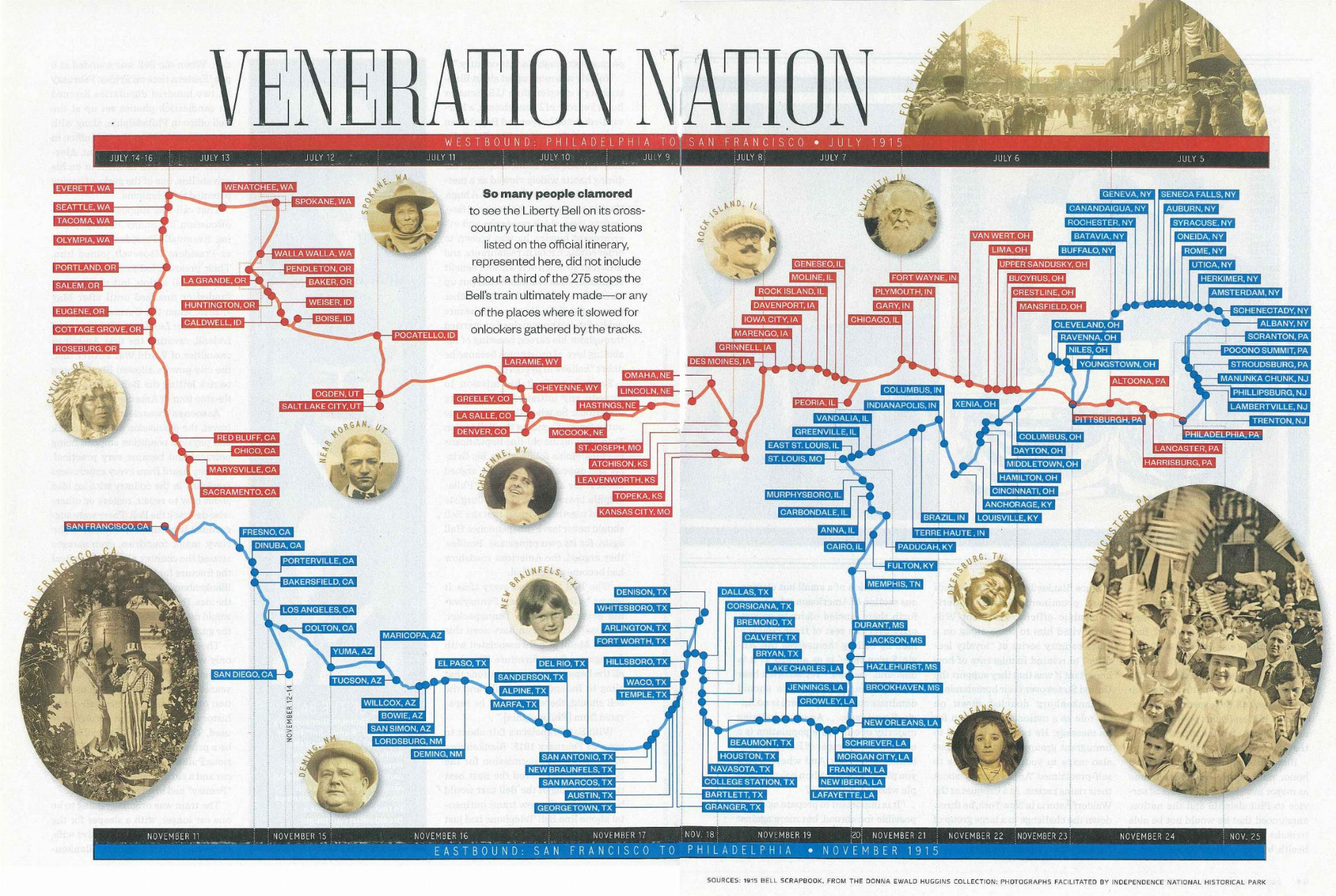
As you can see on the map below, the Liberty Bell left Philadelphia on July 5, 1915 and returned on November 25, 1915. It made 275 official stops on its trip, visiting thirteen states on its way out to San Francisco and fourteen states on its return.
Transporting the Liberty Bell was no easy feat. It traveled in a special car called the Liberty Bell Special featuring a transport that kept it illuminated all night.
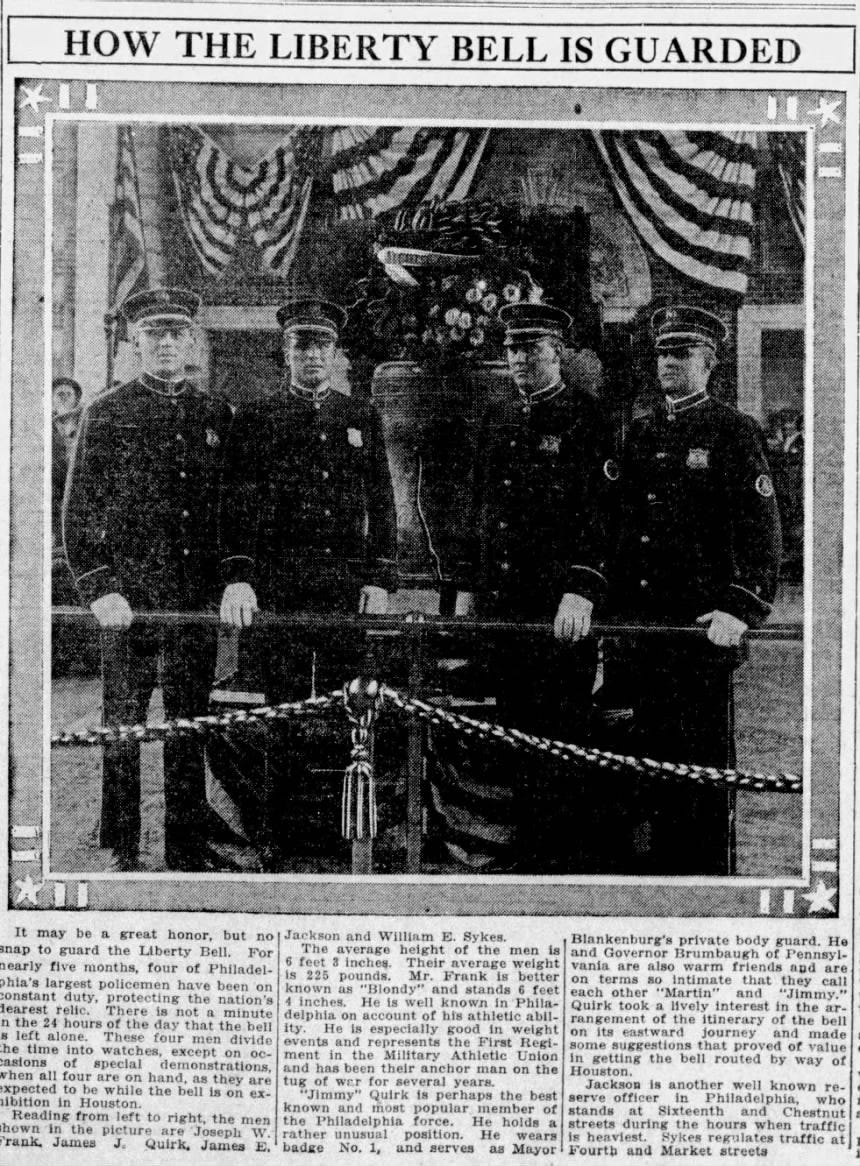
As it toured the United States, four guards from the Philadelphia police force accompanied it, taking turns so that the bell would be protected 24/7. Officially only blind people were supposed to be allowed to touch the bell, but the guards sometimes permitted children as well.
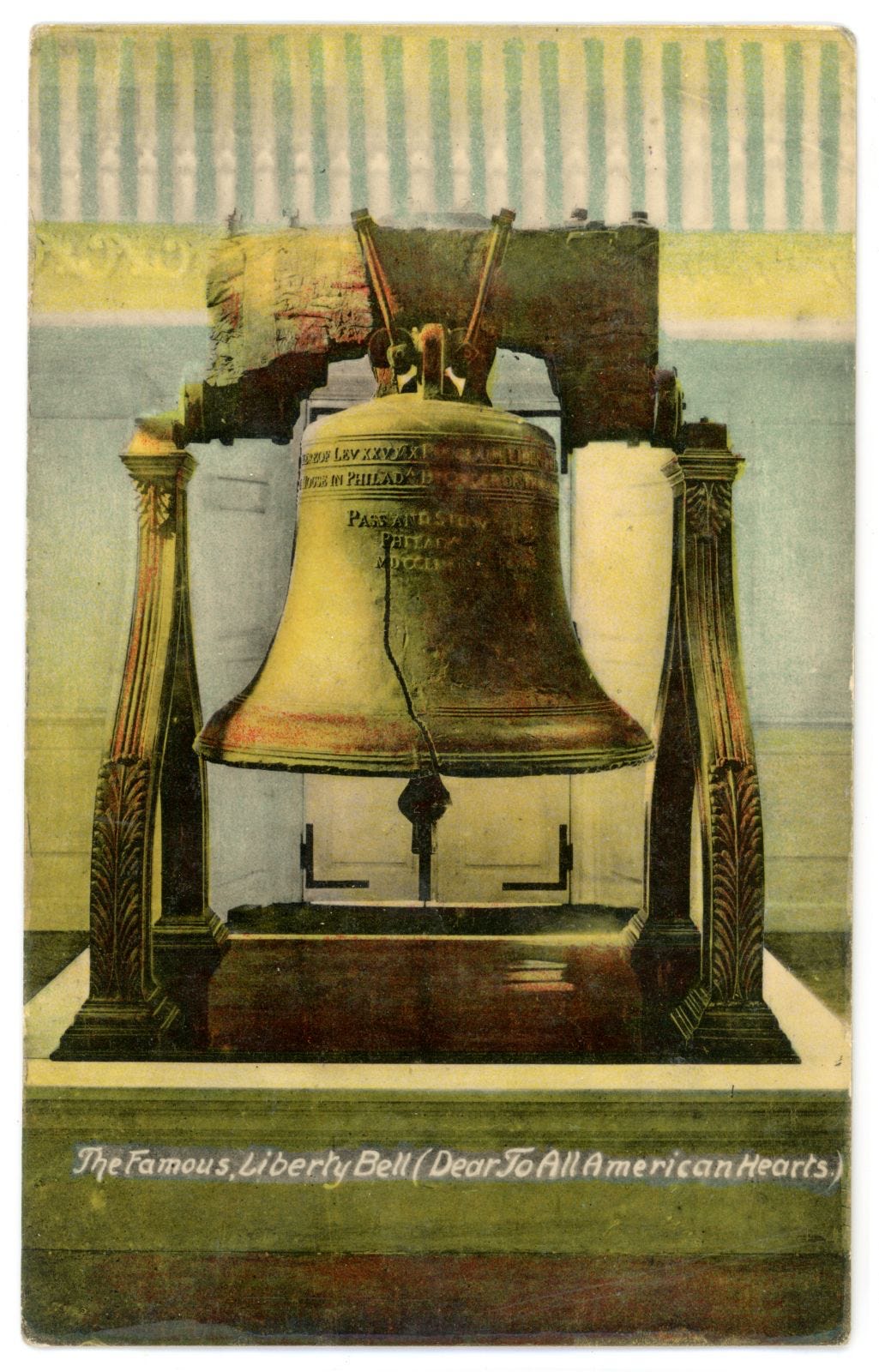
When it arrived in San Francisco on July 17, 1915, it stayed there for almost four months as part of the exposition before it headed back home to Philadelphia. When it arrived back in Philadelphia, it had traveled nearly 17,000 miles. Estimates suggest twenty million people had the opportunity to see it.
Roosevelt himself visited the Exposition in July 1915 where he delivered a speech entitled “War and Peace” in which he argued for military preparedness. After the exposition, he wrote to his son Kermit and mentioned that his speech was “substantially like the article in the August Metropolitan which you must have by this time.” (The article to which he refers is “Peace Insurance Against War By Preparedness.”)
In his letter to Kermit, Roosevelt did not mention seeing the Liberty Bell. Instead, he focused significantly more on his reflections on preparedness and how his sons could get involved in the war as well as two offhand comments about the exposition being “really fine” and that he had found “a first-class [Don] Quixote edition at an exorbitant price!”
However, we do know from an earlier letter to Chester H. Rowell, who served on the Panama-Pacific International Exposition Commission, that Roosevelt wanted to see as much of the expedition as possible. He also noted that he was visiting the exposition as a “private citizen” and that he wanted to be “just as little in evidence as possible.”
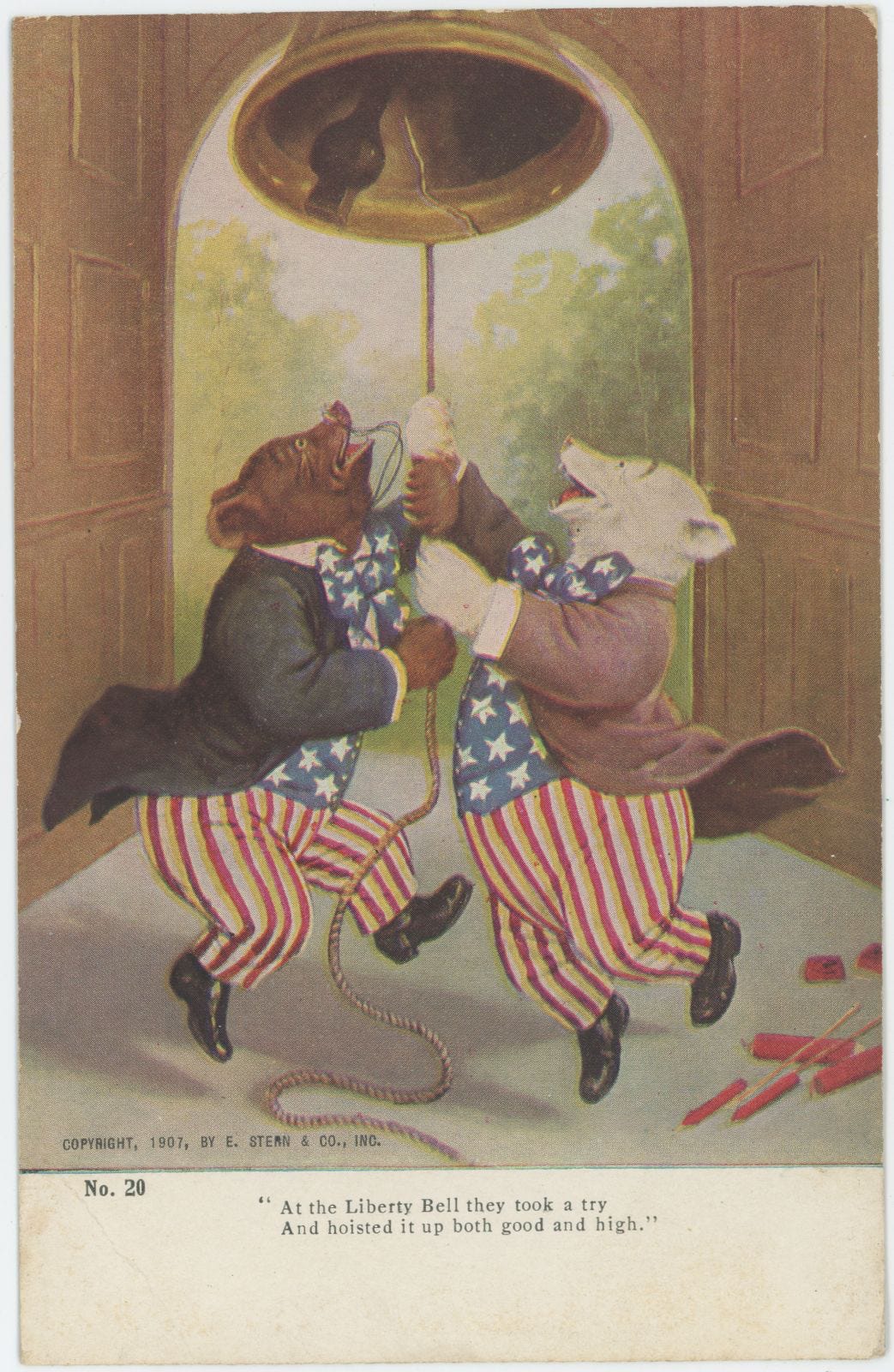
Although Roosevelt avoided some press, newspapers across the country did report on his visit to the Liberty Bell at the exposition, quoting him “in the presence of the Liberty Bell” as saying, “Can any puerile, peace-talking mollycoddle stand before this emblem of liberty without a blush of shame?” The statement was, of course, directed at President Wilson, who did not want to enter World War I.
Other newspapers provided additional details about Roosevelt viewing the Liberty Bell. One newspaper noted Roosevelt’s head was “uncovered” when he visited the bell, a sign of respect much like removing one’s hat during the national anthem or the passing of the American flag.
Another newspaper mentioned Roosevelt’s comments on the patriotic demonstrations “kindled by its trip through the country,” which was the exact intent of the tour to foster a patriotic awakening.
As Rudolph S. Blankenburg wrote for the Wilkes-Barre Times Leader, “I hope that each American citizen as he sees the Bell in the course of its patriotic passage toward the west, or as he reads in the Times-Leader of its historic journey, will ponder well the deep significance of those thoughts, and will be reminded again to cherish forever the UNITY, LIBERTY and INDEPENDENCE of the United States of America.”