
Friday Fun
Birding

by Rachel Lane
Today is the first day of the Great Backyard Bird Count (GBBC), which runs the entire weekend from February 13 to February 16. People across the globe are encouraged to spend at least fifteen minutes counting birds and submit their list to help scientists better understand and protect birds around the world.
First launched in 1998 almost eighty years after Theodore Roosevelt’s death, Roosevelt, who was a lifelong birder, definitely would have participated if it had existed during his day. Birdwatching (and making lists of the birds he saw) was an integral part of Roosevelt’s life. Thus, for today’s post, we are dee-lighted to do a deep dive on Theodore Roosevelt the birder in honor of the GBBC.
Mentions of birds appear regularly in Roosevelt’s correspondence throughout his life. There are close to 150 records in the digital library specifically about birds and birdwatching.
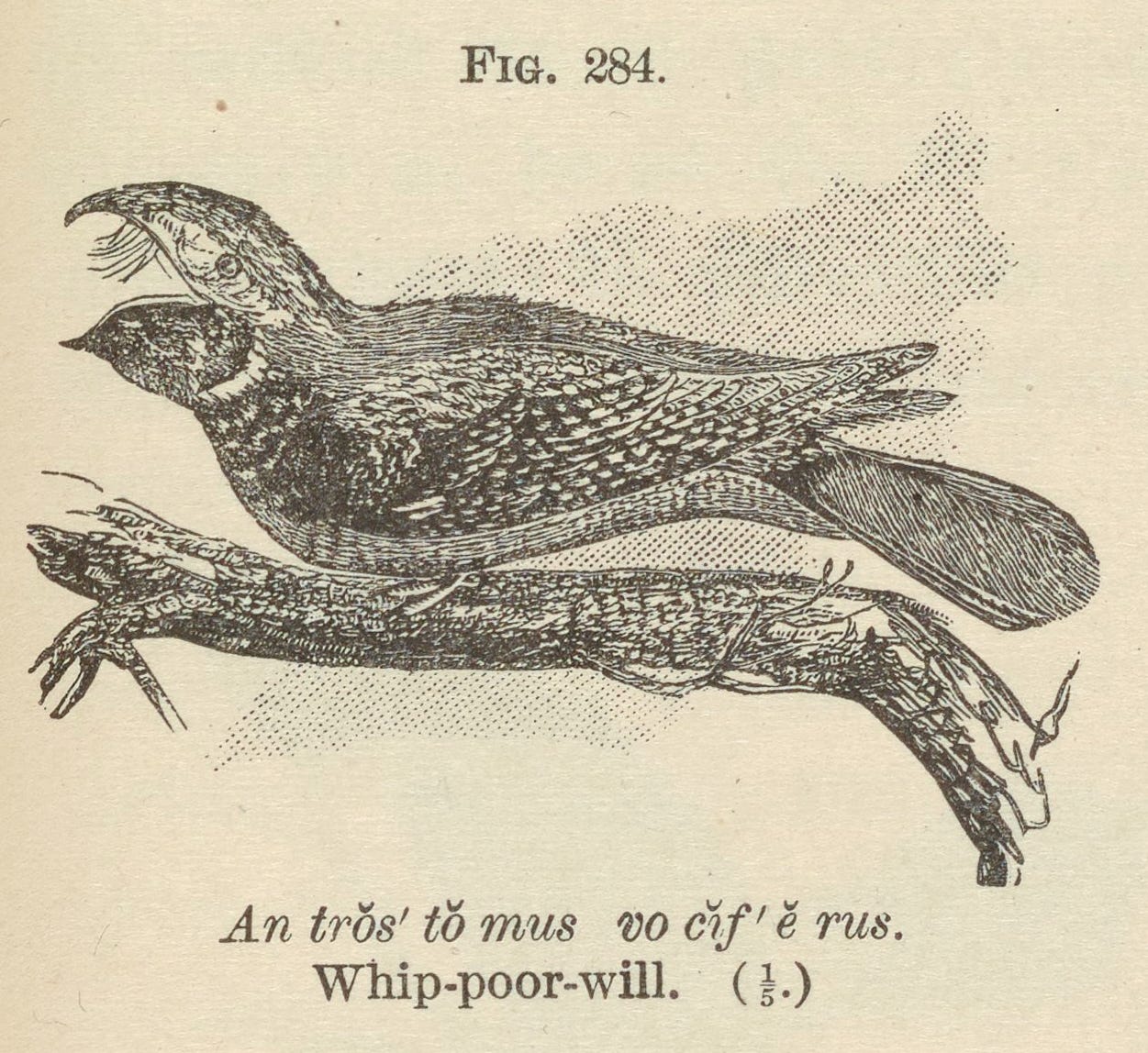
For example, in a 1905 letter to his son Kermit, Roosevelt wrote about his enjoyment of listening to birdsong at Pine Knot, the presidential retreat near Charlottesville, Virginia: “It was lovely to sit there in the rocking-chairs and hear all the birds by daytime and at night the whip-poor-wills and owls and little forest folk.”
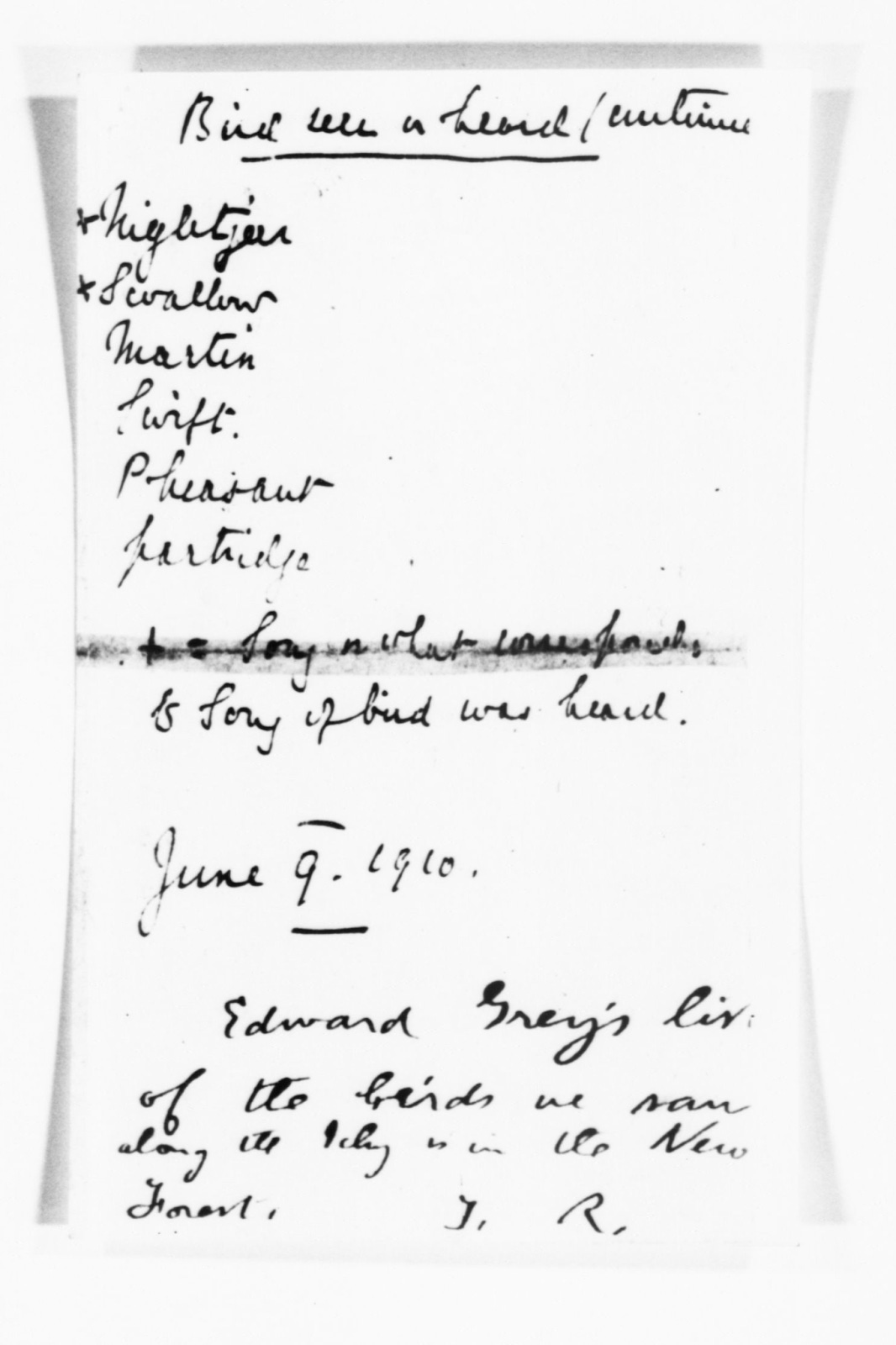
Roosevelt was creating lists of the birds he saw or heard years before “listing” became popular in the United States after World War II. We’re aware of lists in Europe, Syria, and Egypt during an 1872-1873 trip; in and around Oyster Bay, Long Island, printed in 1879; in and around the White House and in Washington, DC published in 1908; and even overseas in England when doing a bird walk with Viscount Edward Grey in 1910.
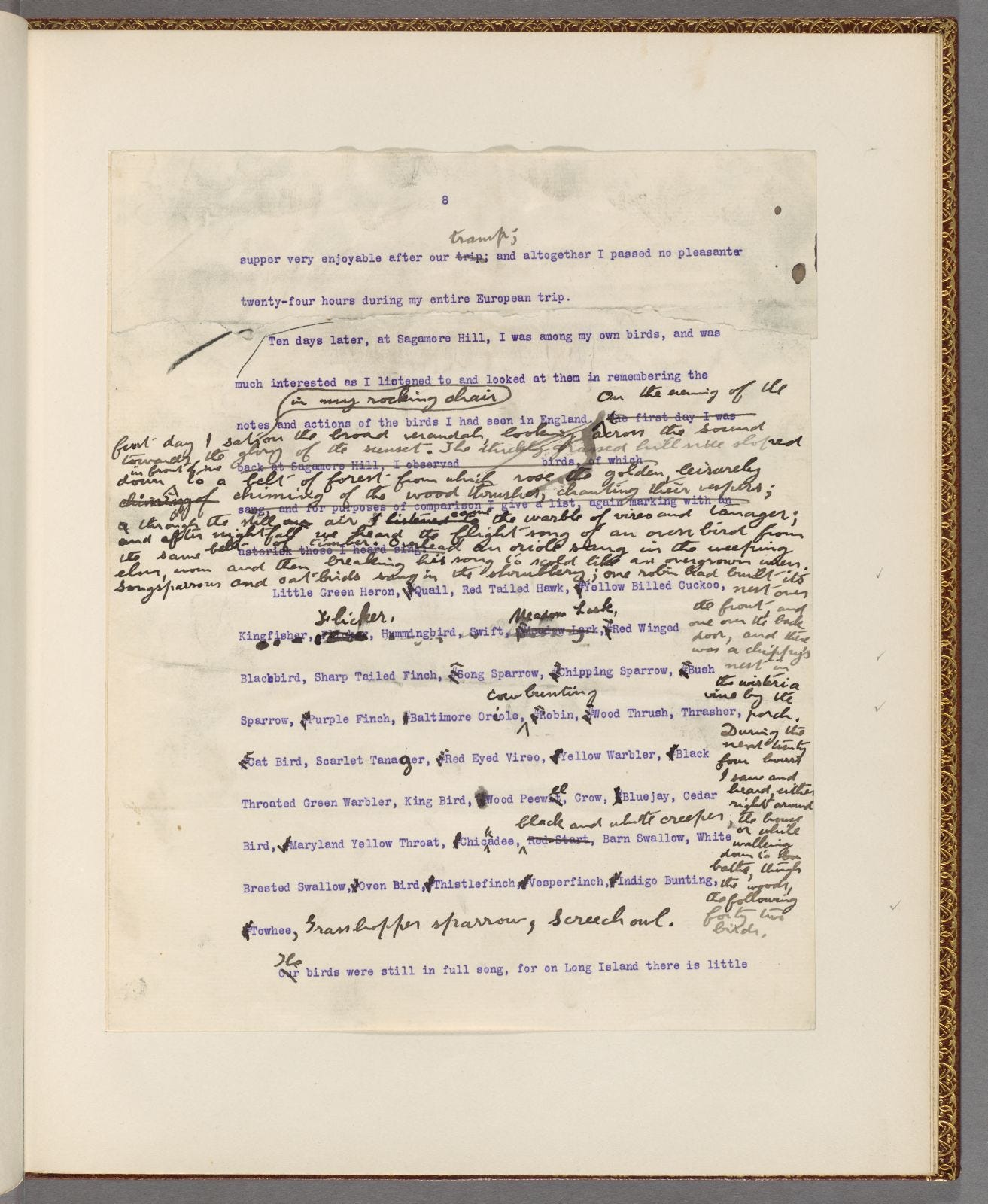
He occasionally even included his lists in articles like his article about English song birds published in The Outlook in July 1910. See his handwritten edits and additions here. Notice the circled addition on the page above. Roosevelt thought it was essential to say that he observed birds at Sagamore Hill, which he calls “my own birds,” sitting “in my rocking chair.” For Roosevelt, birding and rocking chairs went hand-in-hand!
Roosevelt also received lists from others. Benjamin Ide Wheeler, president of the University of California, sent Roosevelt a list of birds observed on the Berkeley campus in 1915. Similarly Alice Hall Walter, a writer for the Bird-Lore magazine created by ornithologist Frank Chapman, sent Roosevelt a list of birds observed around the Biological Lab at Cold Spring Harbor, Long Island.
George L. Fordyce of Youngstown, Ohio also sent Roosevelt something that could have been a list of birds based on the wording of a January 1906 letter: “I am really interested in that list you sent me. What an admirable thing it is that so many of our people are beginning to take the kind of interest in bird life, which is not only non-destructive, but opposed to destruction.”
Even when he wasn’t formally listing birds he had observed or heard, Roosevelt included lists of birds in letters to friends like Frank Chapman when he described a three-day trip to Pine Knot with John Burroughs in 1908 near the end of Roosevelt’s second term.
Roosevelt wrote, “I was much pleased to be able to show [Burroughs] all the birds I had said I would, including the Bewick’s wren, the blue grosbeak, the gnatcatcher, the summer redbird, etc.” What Roosevelt doesn’t mention is that he saw or heard over seventy-five species with Burroughs during that trip!
He was also watching—and listing birds—even while traveling as an earlier letter to Burroughs from 1903 confirms: “I heard western meadow larks beside the train up to the time we reached Iowa.”
We also know how long Roosevelt considered himself a birdwatcher—at least of the birds around Oyster Bay—according to a letter to naturalist Edward Howe Forbush in 1904 that he had been observing birds around Oyster Bay for over thirty-one years, meaning since 1873 or when he was fifteen years old.
Birdwatching was a hobby that Roosevelt would maintain his entire life. One of my favorite anecdotes is that he cared so much for his birds that he went outside to place suet for the birds to eat when it was around zero degrees outside.
He even made sure one piece of suet was close to his window so he could look up from his desk to watch the birds eating. He would also occasionally interrupt his work to walk “tiptoe to the window” to see if the birds were eating the suet.
Roosevelt also passed along his love for birds to his children, although some took more to the hobby of birdwatching than others. For example, as he wrote in handwritten postscript in a June 1908 letter to his son Kermit, “You don’t care much for birds; but a yellow throated vireo is nesting, & singing finely, in the grounds; and I wish you could see our cardinal bird, which is also nesting, singing among the white blossoms of the catalpa [also called catawba]; he glows like a live coal.”
His younger daughter Ethel, however, had a much greater interest in birds, a passion she maintained her entire life much like her father. As she wrote in a letter to her daughter Edith Derby Williams on January 26, 1947, “We brought up one of the little bird feeders, and have put out [some] suet. First the blue jays came, then one chickadee, then two, then a nuthatch, then two nuthatches, and then a dee little red breasted nut hatch, which we have not seen before. We have great pleasure in watching them.”
As we bring this reflection on Roosevelt, the birder, to a close, we’ll conclude with a sentence from one of his favorite chapters in his Autobiography, Chapter IX: Outdoors and Indoors: “At Sagamore Hill we love a great many things—birds and trees and books, and all things beautiful, and horses and rifles and children and hard work and the joy of life.”